
Are Your Shoes Silencing Your Feet?
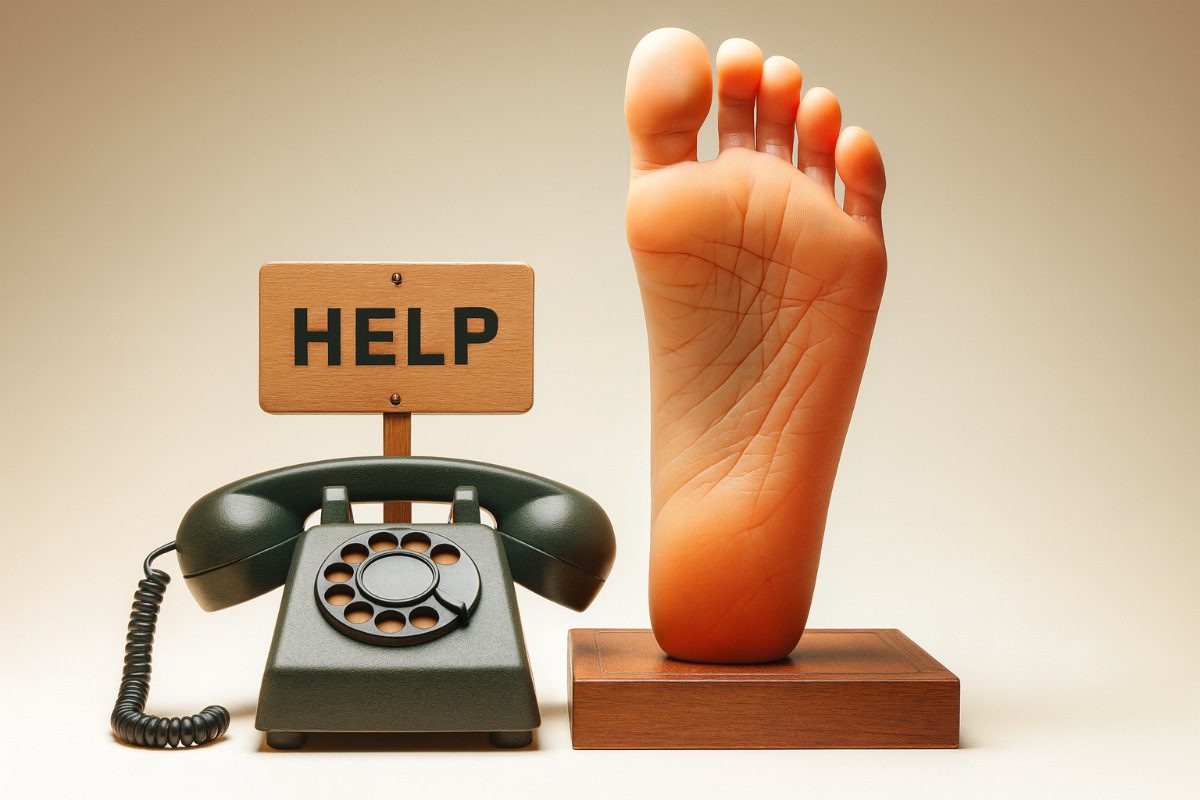
And Your Whole Body Is Paying the Price!
Hey, it’s me—your left foot.
Yes, I’m talking to you. We need to have a serious conversation.
For years, I’ve been stuffed into a sock (basically a foot straitjacket) and crammed into a shoe that feels like a stylish little coffin.
Do you have any idea what that does to me?
I was designed for movement, for freedom! But instead, I spend my days trapped in a narrow, rigid box, wondering if you’ve forgotten I exist.
And let’s talk about these so-called “supportive” shoes.
Sure, they’re cushy, but they also numb me completely. I’m supposed to feel the ground beneath me—to send vital signals to your brain about terrain, balance, and posture.
But no, you’ve muted me like a bad ZOOM call. Now, I barely get a whisper of what’s happening down here.
To make matters worse, you’ve been tilting me at a weird angle for years!
That heel lift you love so much? It’s like forcing me to walk downhill all the time.
No wonder everything up the chain—your knees, hips, and back—keeps complaining.
They’re suffering because I am suffering.
Look, I’m not asking for much. Just a little space to spread my toes, a sole that lets me feel the world, and maybe—just maybe—a break from the foot prison you call “shoes.”
Consider this my formal request: Set me free!
Or at least, let’s find a compromise. Trust me, the rest of your body will thank you.
Sincerely,
Your Left Foot
That might seem dramatic, but it’s not far from the truth.
Each of your feet contains 26 bones and 33 joints, an intricate design built to adapt to varied terrain while providing natural cushioning and support.
But when we confine our feet in restrictive shoes, we interfere with their ability to function as intended.
Consider Figure 1, which shows ancient footprints from twenty thousand years ago. Notice the wide-spread toes—free to move naturally.
Now compare that to Figure 2, illustrating how modern footwear can alter foot shape over time.
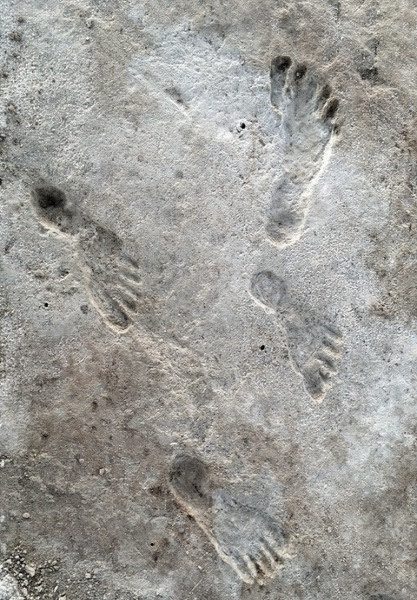
Figure 1
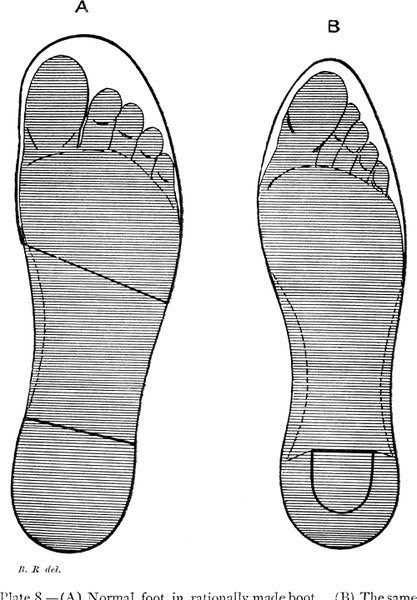
Figure 2
The difference is clear: the foot in Figure 2A appears more relaxed and functional.
In contrast, toes that are squeezed together as in Figure 2B can lead to bunions, hammertoes, corns, blisters, and ingrown toenails.
But the effects of foot restriction go far beyond what meets the eye.
Cramped toes and elevated heels don’t just impact your feet—they disrupt your entire skeletal system.
- When your foot can’t spread out, it loses its ability to absorb impact properly. The force that should be distributed across your foot instead travels up through your ankles, knees, hips, and spine—causing strain and misalignment.
- An elevated heel shifts your weight forward, forcing your body to compensate with unnatural posture—tight calves, anterior pelvic tilt, and excess stress on your lower back.
Over time, these small shifts add up, affecting everything from balance to mobility.
I learned this the hard way.
When I finally let my feet function as they were designed to, something surprising happened. When you stop numbing and binding your feet, you wake up to a whole new level of body awareness.
I became more aware of how I moved, how I stood, and how my body connected to the ground.
My posture improved, my knees stopped aching, and even my lower back felt better.
So, if your feet have been quietly suffering, maybe it’s time to listen. You might be surprised by how much the rest of your body thanks you.
But does that mean you should ditch your shoes and go barefoot immediately?
Not So Fast!
Switching too quickly can do more harm than good. But don’t worry—I’ve been there, and I’ve learned a few things along the way.
In my next email, I’ll share how I switched to barefoot shoes without injuring myself, including:
-
Lessons from my too-fast start
-
The gradual steps that helped me strengthen my feet
Till then!
You May Also Like...
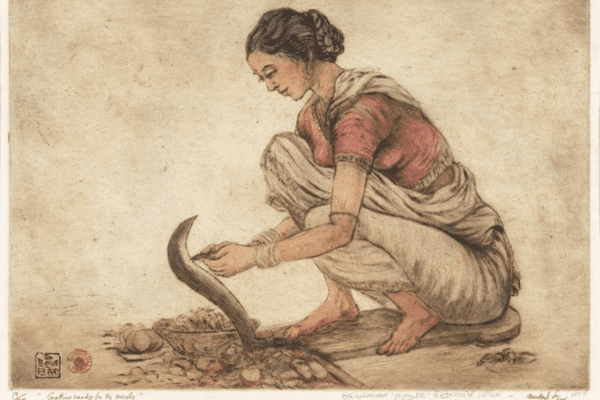
Sitting Too Long?
"Getting Ready for the Meals" - Mukul Chandra Dey Growing up in India, the scene in the painting above was a familiar one. My mother would sit on...

Is Your Route Still The Best Route?
Every once in a while, it’s worth pausing and asking yourself: Why do I do things the way I do? A while back, I was sharing a story with my daughter...

Hidden by Habit
Years ago, when I started paying attention to how I carry myself , I was surprised to discover how tense my left hand was—all the time. But that...