Is Awareness Enough For Change?

After my last email, “What is the Feldenkrais Method, Anyway?”, I received a thoughtful reply from a reader who had taken my recent series on getting to know your hip joints.
She wrote:
“Awareness is important. But it is not enough. Smokers are aware of the dangers of smoking, yet many still smoke.”
First, I want to say how much I appreciate this kind of response. It’s a clear, honest observation and it got me thinking more deeply about what I wrote.
And she’s right: awareness alone doesn’t guarantee change.
Awareness ≠ Change
Awareness isn’t enough. But without it, purposeful change is almost impossible.
Let me share a personal example.
Years ago, I used to smoke regularly. And I was fully aware that smoking was bad for me: it literally said so on the box!
So clearly, awareness of the facts alone wasn’t enough to help me quit.
But what I later realized is that awareness comes in layers—and each new layer gave me a different kind of power.
Layers of Awareness
At first, I was only aware after the fact: when I was already reaching for a cigarette. Too late to stop, but at least I noticed.
Later, I began to recognize the urge just before it happened: sometimes a tension in my chest or a particular restless energy.
Eventually, I started noticing the patterns behind the urge: certain moods, situations, or social cues that made me crave a cigarette.
Each level of awareness allowed me to catch the cycle a little earlier. And that gave me room to make a different choice.
And here’s the key:
There’s no ceiling to how much your awareness can improve.
That’s why awareness is so central to the Feldenkrais Method. It’s not a one-time realization. it’s a skill you grow.
The clearer your self-perception becomes, the earlier you can spot a pattern in the making. And that creates space for change.
Self-Experimentation
Once you’re aware—and you have choices—you still need to try them.
That’s where self-experimentation comes in. It means testing different responses, gently and without judgment.
You’re not forcing change—you’re learning what works.
Some things I experimented with:
-
Not keeping cigarettes at home
-
Walking to the store instead of driving to buy cigarettes.
-
Smoking just one cigarette from a pack and tossing the rest (I hate wasting money!)
The more options I gave myself, and the easier the options to implement, the greater the chance that something would stick.
Real Choice Matters
Of course, even the clearest awareness needs something else: real choice.
When I first tried to quit smoking, it felt like I only had two options:
-
Give in to the craving
-
Try to resist it completely
Guess which one I usually chose?
Trying to quit cold turkey made me smoke more. My brain seemed to panic at the idea of “never again,” and suddenly I craved a cigarette even more.
What helped was a third option:
“Let me just delay this next cigarette by ten minutes.”
That tiny shift made a big difference.
Sometimes the urge passed. Sometimes it didn’t. But now I wasn’t trapped between two extremes.
Ironically, it was way easier to postpone a cigarette than to quit outright. My laziness worked in my favor!
Over time, postponing became a habit and eventually smoking lost its hold on me.
Why This Relates
This is exactly how a Feldenkrais lesson works.
You become aware of how you move, sense what’s habitual, and then try something new—not by correcting, but by exploring.
No pressure. Just awareness, choice, and self-experimentation.
Yes—awareness alone isn’t enough. But it’s the foundation that makes meaningful, sustainable change possible.
Because with awareness, you’re not operating on autopilot—you’re learning. And when you understand yourself more clearly, you open the door to change that truly fits you.
In my next email, I’ll explore another great question:
Is there really a “right” way to move? (Short answer: it depends. Long answer… coming soon)
Stay tuned!
Have you ever had an “aha” moment that helped you change a habit—movement or otherwise?
You May Also Like...
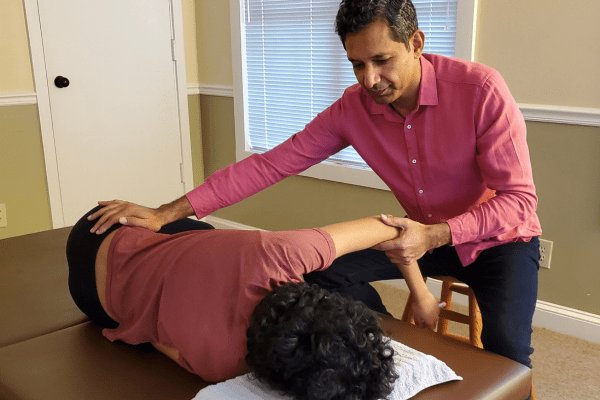
What is a 1-On-1 Feldenkrais Session Like?
In the last email, I walked you through what happens in an Awareness Through Movement (ATM) group class. Today, let’s explore the other side of the...
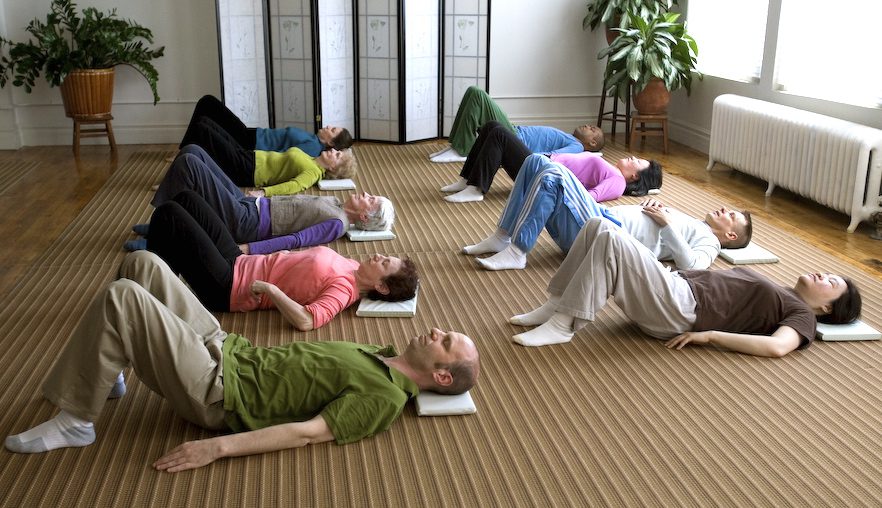
What Happens in a Group Class?
Now that you know a bit about what the Feldenkrais Method is, you might be wondering: “What actually happens in a session?” Let's dive into it...
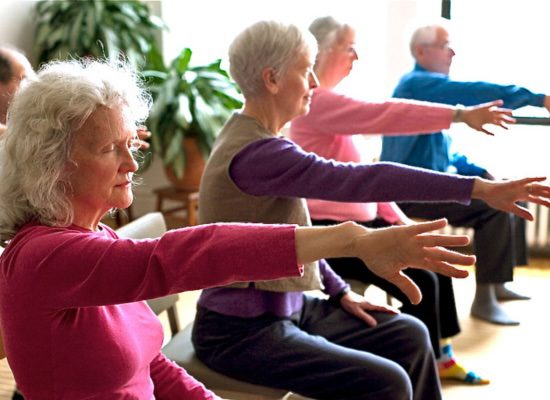
Is The Feldenkrais Method Practical?
It’s a fair question because Feldenkrais doesn’t look like your typical exercise class. The movements are small. There’s no sweating, no reps, no...