
The Body Has A Mind of Its Own – A Book Review
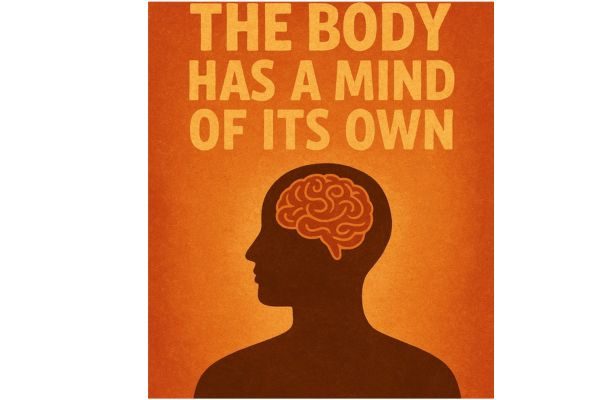
And What It Teaches Us About Ourselves
Did you know your brain has a map of your body that is not fixed?
That map shifts when you learn a new skill, when you adapt to an injury, and even when you pick up a tool and begin using it as if it were part of you.
This is one of the most fascinating insights from Sandra and Matthew Blakeslee’s book The Body Has a Mind of Its Own.
The book is about neuroscience, perception, and plasticity, but it is also about being human.
And it has a lot to say about something central to the Feldenkrais Method: the idea of self-image.
Your Brain’s Body Maps
The authors describe how our sense of self depends on constantly updated maps of the body in the brain. These are not literal pictures of body parts but networks that represent where things are, how they move, and how they feel.
When you wave your hand, for example, the brain consults its hand map, adjusts movement moment by moment, and compares it with sensory feedback. If the map is fuzzy, perhaps after an injury, movement feels awkward or painful.
The encouraging news is that these maps are plastic. They can change. And when they change for the better, your movement, comfort, and even your sense of self can change too.
Feldenkrais and Self-Image
Dr Moshe Feldenkrais often said we do not act according to objective reality but according to our self-image.
That self-image includes how we sense our bodies, how we imagine our actions before we do them, and how we think of ourselves as capable or limited.
Instead of trying to fix an action, Dr Feldenkrais focused on clarifying and enriching the self-image.
When that shifts, all actions improve.
In today’s language, that is like saying that when your brain’s maps become clearer and more detailed, you become freer in how you move and live.
I see this often in my teaching.
Someone may come to class because their back hurts, but as they learn to sense themselves differently, their posture improves, their movements feel lighter, and perhaps most important, they begin to see themselves as more capable.
Stories That Stick
The book is full of examples that bring the science alive.
One example is how tools extend our body maps. A blind person’s cane becomes integrated into their sense of touch. A tennis player’s racket begins to feel like part of their arm. The brain rewires itself so the tool becomes part of the self.
Another example is phantom limb pain, where someone feels sensations in a missing arm or leg because the brain’s map has not updated. With the right experience, such as mirror therapy, the map can change, and the pain can diminish.
Both stories show how powerfully our sense of self depends on these maps.
How We Work With Maps in Feldenkrais
In Feldenkrais lessons, we are constantly refining these maps, though we may not use that word in class.
Gentle movements, explored through variations and constraints, combined with focused attention, give the brain new information. This new input helps clarify the body’s maps, making them more accurate and responsive
For example, learning to move your ankle in new ways is not just exercise. It is teaching your brain to build a richer “ankle map.” That clarity then spreads into walking, balance, and ease in daily life.
Because self-image is more than physical, the benefits ripple outward. As your maps change, so can your confidence and sense of possibility.
My Takeaway
Reading The Body Has a Mind of Its Own deepened my appreciation for how profoundly our brains shape our reality.
It confirmed something I have seen in my own practice: when we pay attention to how we move, we give the brain better information.
Better maps lead to better movement and to a fuller sense of who we are.
That is the real gift of both the book and the Feldenkrais Method.
They remind us that we are not fixed. Our maps can change. Our self-image can grow.
Why This Matters
You do not need to be a neuroscientist to use this.
Every time you notice a new sensation, imagine yourself moving more easily, or learn a fresh pattern of movement, you are updating your maps. You are expanding your self-image.
That is exactly what we explore in our classes, gently, playfully, and with curiosity.
If the ideas in this book spark your interest, I invite you to experience them in action. It is one thing to read about body maps, and another to feel them shifting in yourself.
Closing Thought
The Blakeslees remind us that the body and mind are not separate. They are woven together through maps that shape how we move, how we feel, and how we see ourselves.
Dr Feldenkrais understood this long before neuroscience had the tools to explain it. By refining our self-image, we can improve all our actions, not only our movements but our very sense of who we are.
Your maps are not fixed. You are always capable of learning, changing, and growing into a clearer, freer version of yourself.
Interested in trying out these ideas in practice?
Click the link below to check out our Group Classes where we explore these principles through gentle movement lessons.
Together, we create the space to expand body awareness, reshape self-image, and discover new possibilities for moving and living with greater ease.
You May Also Like...
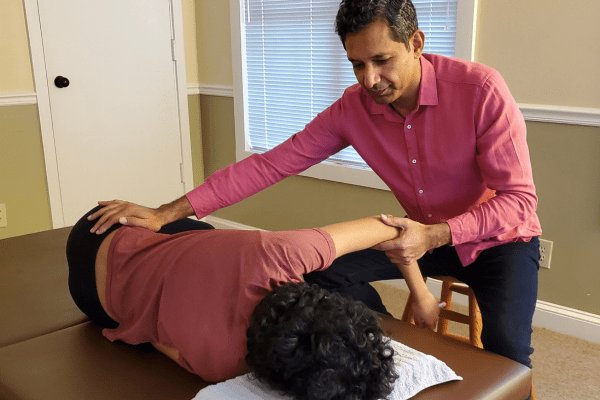
What is a 1-On-1 Feldenkrais Session Like?
In the last email, I walked you through what happens in an Awareness Through Movement (ATM) group class. Today, let’s explore the other side of the...
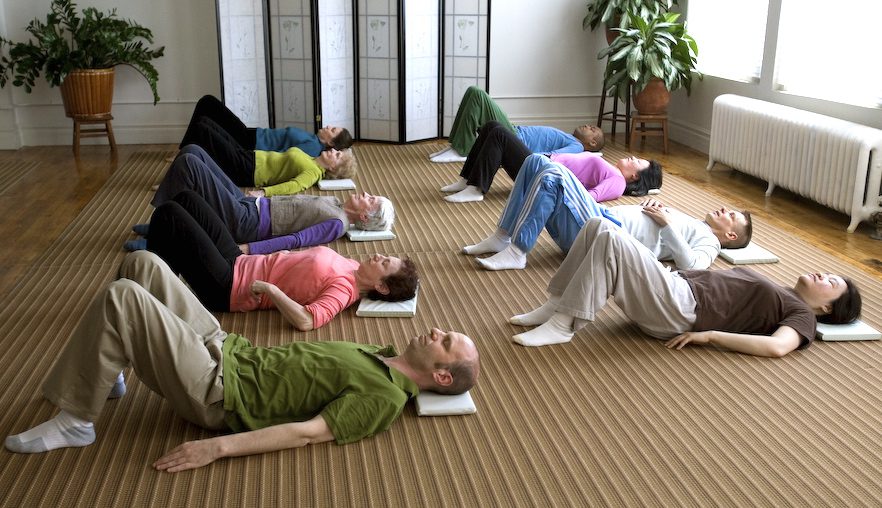
What Happens in a Group Class?
Now that you know a bit about what the Feldenkrais Method is, you might be wondering: “What actually happens in a session?” Let's dive into it...
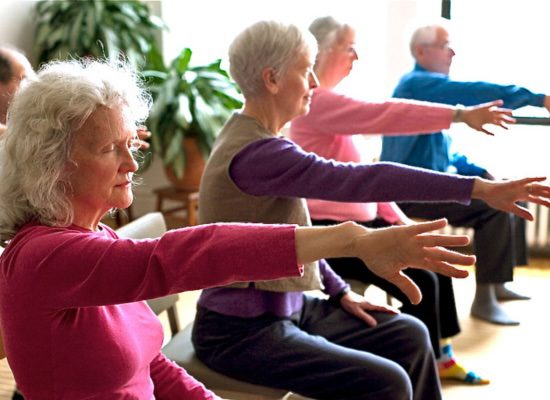
Is The Feldenkrais Method Practical?
It’s a fair question because Feldenkrais doesn’t look like your typical exercise class. The movements are small. There’s no sweating, no reps, no...