
What is the Feldenkrais Method Anyway?
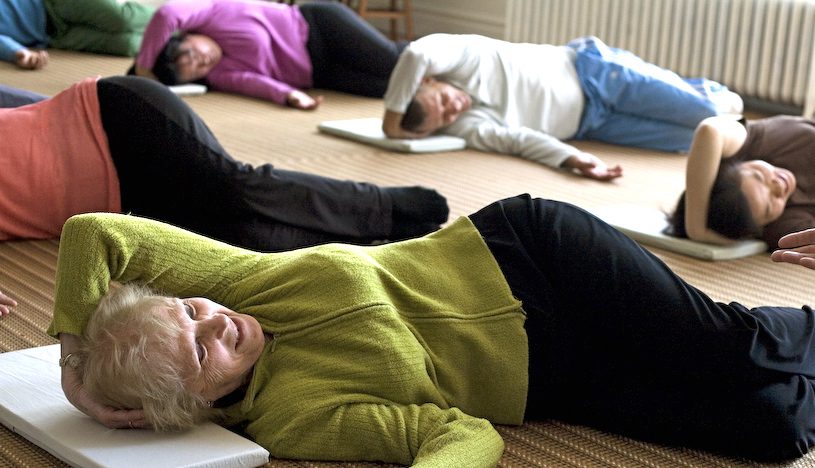
I get asked this a lot and to be honest, it’s hard to put into words.
The Feldenkrais Method® is something you really have to experience to understand. But here’s my best shot:
At first glance, it might look like a gentle movement practice. And it is.
But it’s also something more subtle, yet more powerful.
It’s a practice of self-discovery.
A way of learning about yourself through how you move, how you pay attention, and how you respond to life.
A Learning Approach Rooted in Neuroplasticity
Developed by Dr. Moshe Feldenkrais, this method is based on a profound idea:
You can change how you move by changing how you sense and feel yourself.
This change doesn’t come through force, but through awareness.
Instead of exercising or stretching, you explore small, subtle movements, guided by attention and curiosity.
You might begin to notice:
-
How you hold your breath when you’re unsure
-
How your shoulders creep up when you’re trying hard
-
How you could move with less effort and more clarity
It’s not about performance. It’s about discovery.
What Makes This Method Different?
Dr. Feldenkrais wasn’t just helping people move better—he wanted to help people live better.
He believed that how we move reflects how we think and feel.
So if you shift the way you move, you may also shift how you think, feel, and connect—with yourself and with others.
He once said:
“What I’m after isn’t flexible bodies, but flexible minds.”
The lessons often feel like quiet, moving meditations. They mirror how you approach life and that opens the door to real, embodied change.
What It’s Not
This work is:
-
Not a workout
-
Not physical therapy
-
Not a quick fix
There’s no one “right way” to move. There’s only your way, explored with awareness.
Change happens not because you push harder, but because you experience something new and it starts to make more sense.
Who Is It For?
The Feldenkrais Method is for anyone who wants to move—or live—with more ease.
It’s especially helpful for:
-
People recovering from injury or managing chronic pain.
-
Artists, athletes, and creatives refining their craft.
-
People with neurological conditions.
-
Anyone feeling stuck, stressed, or disconnected from themselves.
-
Anyone curious about how they move—and who they are.
If you’re looking for a practice that meets you where you are, one that invites curiosity over judgment and presence over performance—this may be it.
You May Also Like...
The Body Has A Mind of Its Own – A Book Review
And What It Teaches Us About OurselvesThat map shifts when you learn a new skill, when you adapt to an injury, and even when you pick up a tool and...
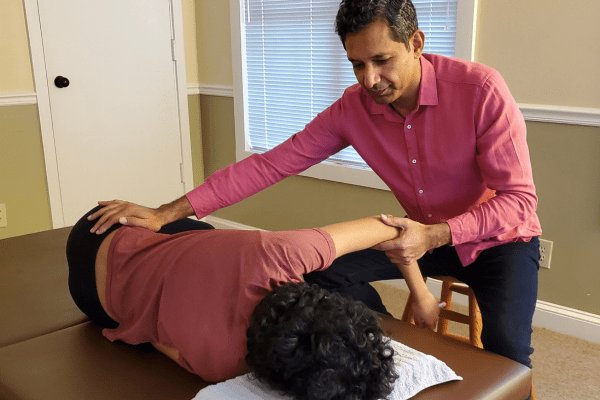
What is a 1-On-1 Feldenkrais Session Like?
In the last email, I walked you through what happens in an Awareness Through Movement (ATM) group class. Today, let’s explore the other side of the...
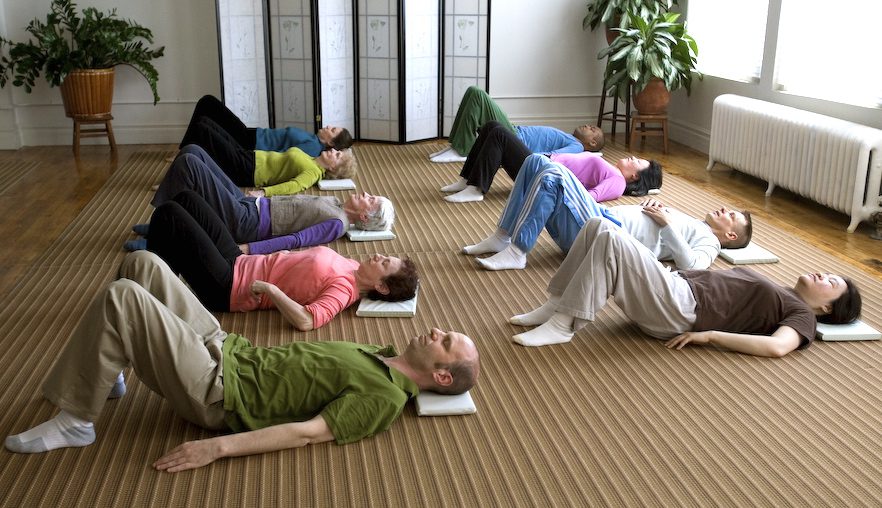
What Happens in a Group Class?
Now that you know a bit about what the Feldenkrais Method is, you might be wondering: “What actually happens in a session?” Let's dive into it...