
What to Expect
Private Sessions
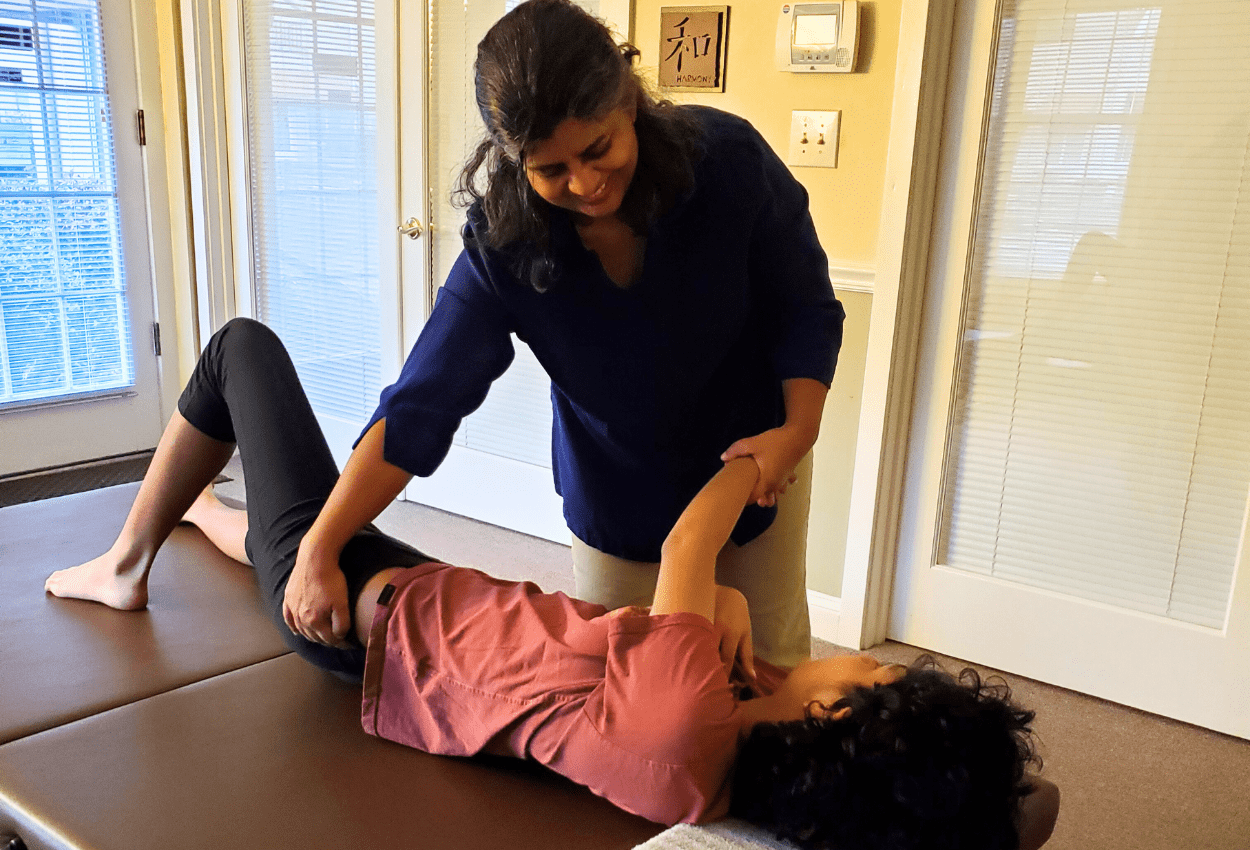
-
Hands-on, fully clothed
-
Tailored to specific needs
-
Gentle, non-invasive touch
-
Deeply relaxing
Group Classes
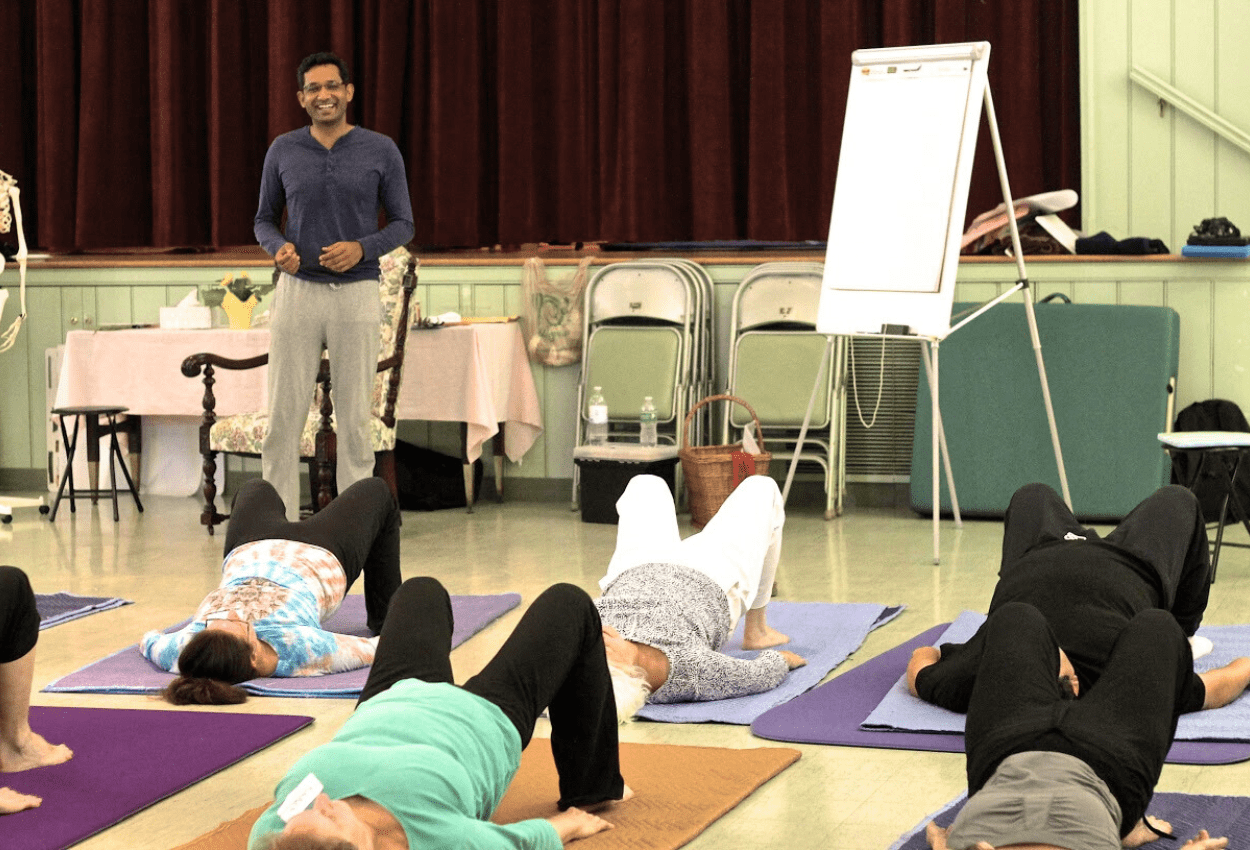
-
Mostly done lying down
-
Gentle movements
-
Movement sequences to improve coordination
-
Small class size
What Is Functional Integration?
Functional Integration is a hands-on, 1-on-1 Feldenkrais session tailored to you.
It’s done fully clothed, usually lying on a low table (like a massage table but a little firmer). Sometimes you sit or stand.
There’s no poking, prodding, or stretching and no “fixing” from the outside.
Instead, the practitioner uses gentle, non-invasive touch to guide your body through small, coordinated movements.
It’s like someone is helping your nervous system remember how to move with more comfort and ease.
How It Works
Some of the things that the practitioner might notice are:
-
Where you hold tension without knowing
-
How your breathing responds to movement
-
Which parts of you are working extra when they don’t need to
Then, they use subtle movements and gentle touch to help you experience a different possibility.
It’s not about forcing change. It’s about giving your system new information.
And once you feel a better way, your body knows what to do.
What It Feels Like
Functional Integration is deeply calming.
Many people say it feels like meditation—but for your whole body.
You might feel:
-
Lighter and more grounded
-
Freer in your joints
-
Calmer in your mind
You may notice a shift in how you walk, sit, stand, or even breathe and not because you were told to change something, but because something changed inside you.
“I didn’t even realize how much I was bracing until I wasn’t.”
“I stood up and felt like I had new legs.”
“My shoulder stopped hurting, but we never touched my shoulder.”
That’s how integrated the learning can be.
Benefits In Real Life
Functional Integration gives you something rare: A chance to learn through touch, sensation, and experience not explanation.
That’s what makes it so practical.
-
You feel what easier movement is like in your own body
-
Your nervous system absorbs it not through effort, but through experience
-
The changes don’t need to be memorized. They emerge naturally
It’s not a technique that “fixes” you.
It’s a process that helps you reclaim agency over how you move, live, and feel.
And because it’s built on awareness and choice—not willpower or force—your old habits don’t need to be broken.
They just… fade.
But here’s what makes FI different from other forms of bodywork or physical therapy:
It’s not just about movement. It’s about how you experience yourself.
A series of FI sessions can shift deeply ingrained patterns not just in posture or flexibility, but in how you think, act, and respond.
Over time, it can reshape how you see yourself and help you let go of limitations you didn’t even realize you were living with.
What Is Awareness Through Movement?
What Happens In A Group Class?
- What do you do?
- How do you do it?
- What changes when you try it another way?
For example, what does your lower spine do when you lift your head? Can you breathe more easily when you soften your jaw? There are frequent rests during the lesson. By the end of the lesson, a once difficult movement may become a lot easier.
Why It Works
- You’ve been holding your breath without realizing it
- A tiny movement feels impossible—but gets easier with awareness
- You can do less and actually move better
One student told me: “I didn’t even realize I was bracing my neck every time I stood up—now it feels effortless.” That’s the power of awareness.
After The Class
- Revisit a lesson you liked through an audio recording.
- Choose one thing in your daily life—like how you sit, or breathe, or reach.
- Ask: “Is there a softer, easier way to do this?”
- Stay curious. Confusion isn’t failure, it is often the beginning of something new.
Each time you return your attention to something small, your nervous system strengthens that connection. The new way becomes more available—not because you forced it, but because your system recognizes it as useful. And the old habit? It becomes less relevant. Change doesn’t require correction—often it just needs a better option.




