
Why Your Fitness Tracker Might Be Lying To You
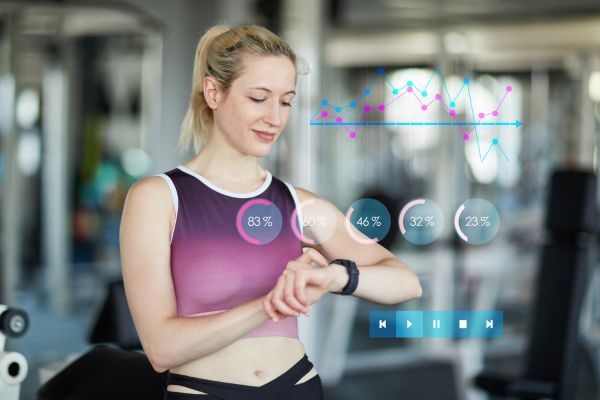
We live in an age of seductive clarity.
Every morning, we wake up to a “readiness score” on our wrists.
Throughout the day, we’re nudged to close our rings, hit 10,000 steps, and maintain our streaks.
On the surface, these metrics feel helpful. They give us something clear to aim for.
But have you ever had a day where you felt good—rested, at ease in your body—only to be told by your watch that you were “unproductive”?
That disconnect is worth paying attention to.
In an earlier blog post, I asked: Are You Fit, Fit For What?
Because things like step counts, calories, or visible abs are easy to measure—but they’re not the same as actually feeling well.
Recently, I came across a simple idea in The Score: How to Stop Playing Somebody Else’s Game by C. Thi Nguyen that explains this.
It’s called “value capture.”
It’s what happens when something personal—like feeling healthy—gets reduced to a number on a screen.
Because real health is subtle and hard to measure, we start letting the number define it for us.
And slowly, we stop paying attention to what we actually feel.
The Inner Edge vs. The Outer Edge
In any movement, there are two “edges”:
- Outer Edge — the point where you’re at your limit
- Inner Edge — the moment you first begin to feel effort or strain
Most systems reward the outer edge.
Go further. Push harder. Do more.
But the inner edge is where something interesting happens.
If you pause there—before forcing anything—you often find that the body reorganizes.
Effort decreases. Movement becomes easier.
That’s not something a tracker can measure.
The Cost of Chasing the Number
We override signals that don’t “count.”
This is often where discomfort—and eventually injury—begins.
More importantly, we lose something quieter but more valuable:
the ability to feel when something is actually good for us.
Today, try something simple:
When you move—walking, bending, reaching—pause at the first hint of effort.
Just for a moment.
Notice what happens if you don’t push past it.
In the next post, I’ll share a different way of approaching movement—one that isn’t driven by numbers, but by attention.
Until then, notice this:
Are you listening to your body…
or negotiating with a number?
You May Also Like...

How Standing Affects Sleeping
If you were here for the first two installments on choosing your pillow, you know by now that there is no one-pillow-fits-all solution out there....
Why Do We Have Brains?
The Body Knew First — Part 1 of 4 (Four short reads on the neuroscience of movement, and what it means for how you live in your body). Hi there,...

FAQ – What is the Best Pillow?
One of the questions I frequently hear in my practice, especially from people dealing with neck, shoulder, or back issues, is, “What pillow do you...